
Orlando Previous Residents by Era
Different years call for different sources. The Orange County Comptroller carries the ownership trail, while directory and census records add the household layer. Orlando permit ledgers and the Sanborn map describe the structure. Funeral and probate records can close a trail after a death. The strongest search for previous residents keeps each source in its own role.
| Source | Years It Covers | Where Held | What It Shows |
|---|---|---|---|
| Official Records and deed index | 1878 to present | Orange County Comptroller | Owners, transfers, liens, and legal description |
| Older deed books and indexes | Pre-1916 through 1968 groupings | Comptroller office and historical media | Earlier title-chain citations |
| Orlando directories | 1891 to 1998 holdings, with gaps | History Center, UCF, and OCLS | Occupants, spouses, work, and address |
| Federal census | Through 1950 as of 2026 | NARA and library databases | Household members and relationships |
| Permit ledgers | 1906 to 1947 | History Center | Applicants, work, and dates |
| Sanborn map | May 1903 confirmed | Library of Congress | Building footprint, material, and use |
| Carey Hand funeral records | 1891 to 1955 | UCF digital collections | Death, parents, and burial place |
Begin with the parcel card even when the question is old. Its parcel ID and legal description provide a stable bridge through shifts in street wording. Then choose the closest dated source. A directory can narrow a year, a census can reconstruct a household, and a deed can document a transfer. None should be stretched beyond what it records.
Start Orlando Address History at OCPA
Search the current situs in the Orange County Property Appraiser portal. Save the owner name, parcel ID, legal description, sale date, and displayed deed instrument or book and page. Also note the distinction between situs and mailing address. Situs means the physical parcel location. The mailing address is where the owner receives tax mail and may point elsewhere.
The parcel card may also show use, exemptions, living area, year built, and improvement facts. These fields date the structure and describe the tax account, but they do not name every past resident. Homestead can support a dated owner-occupancy inference. It is never a full household list.
Orlando Deed Records Change in 1955
The Orange County Official Records index is certified from January 1, 1878. OR Book 1 began in August 1955. Before that change, a researcher may encounter named or numbered deed, mortgage, and satisfaction books with separate historic indexes. That record architecture matters when a neat modern book-and-page chain seems to stop.
The Comptroller describes the online index as a catalog, not the underlying legal instrument. Search every likely spelling of a name. For older previous residents, ask staff about the pre-1916, 1916 to 1937, 1938 to 1955, and 1956 to 1968 book or microfilm groupings documented in the research.
Trace Orange County Owners Backward
A chain of title is the sequence of recorded transfers for the same land. Start with today’s deed citation and move seller by seller. Names alone are not enough because one person may own several parcels and two people may share a name. The legal description is the key that confirms continuity.
- Copy the current owner, parcel ID, deed instrument, and legal description from OCPA.
- Open the purchase deed in Official Records. Record the grantee, grantor, recording date, prior references, and return-to address.
- Search the seller as a grantee, using LAST FIRST order, spelling variants, deed document types, and a date before the current transfer.
- Open the seller’s purchase deed and confirm that its legal description matches the parcel. Repeat the process.
- When the modern index trail ends, move to the appropriate historic index, deed book, microfilm, or staff inquiry.
- Grantor and grantee
- The grantor transfers an interest; the grantee receives it.
- Chain of title
- The linked series of recorded transfers for the same land.
- Legal description
- The deed’s formal land identity, often a lot and block or metes-and-bounds description.
- Criss-cross directory
- A volume arranged by street and house number, useful for finding occupants by address.
Mortgages, liens, and Notices of Commencement can add names or work dates, but they do not replace the deed. Read every role as labeled.
Orlando Permit Ledgers Date the House
Four handwritten Orlando building-permit ledgers cover 1906 through 1947. Donated in 1986, they are arranged alphabetically and can preserve applicant names, work, and dates that no current portal supplies. Their segregated-era handling also preserved names of many Black applicants, despite unequal access to the permit office.
The History Center’s permit-ledger account explains this source, and the Brechner Research Center provides appointment-based access. Handwriting can be hard to read. Compare the entry with the annual directory and parcel history before deciding on a surname. A permit applicant may be an owner, contractor, or another named project party, not necessarily a resident.
See Orlando Homes on the 1903 Map
The Library of Congress holds nine confirmed May 1903 Sanborn sheets for Orlando. These fire-insurance maps can show a building footprint, material, and use. They help answer whether a structure existed and how its shape compared with later permits or tax facts. They do not identify every occupant.
Match the map to the legal parcel and period street name. Address continuity is fragile because annexation, street changes, and postal labels can shift while the land description remains stable. No complete authoritative Orlando renumbering chronology was found, so preserve uncertainty rather than assigning a modern number to an old footprint without proof.
Pair Orlando Directories With Census Years
Annual directories fill the long gaps between federal census schedules. Begin with the address in a street or criss-cross section, then check the named person in the alphabetical section. Save spelling, middle initial, spouse, occupation, and address. Consult that volume’s abbreviation key because terms for residence, roomer, widow, or home can change.
- Find the address in the closest directory year and record each listed occupant.
- Move one year at a time to bracket when a surname arrived or disappeared.
- Open the 1910, 1920, 1930, 1940, or 1950 census closest to that span.
- Compare household names and relationships, then check deeds and permits for title or building changes.
This process can reveal past residents who never appeared as owners. Detailed publishers and shelf gaps are covered on the Orlando city directory page.
Orlando Previous Residents Beyond Portals
When county indexes stop, archives provide the fallback. The State Archives of Florida describes its public collections and access, while its genealogy section covers state and local sources.
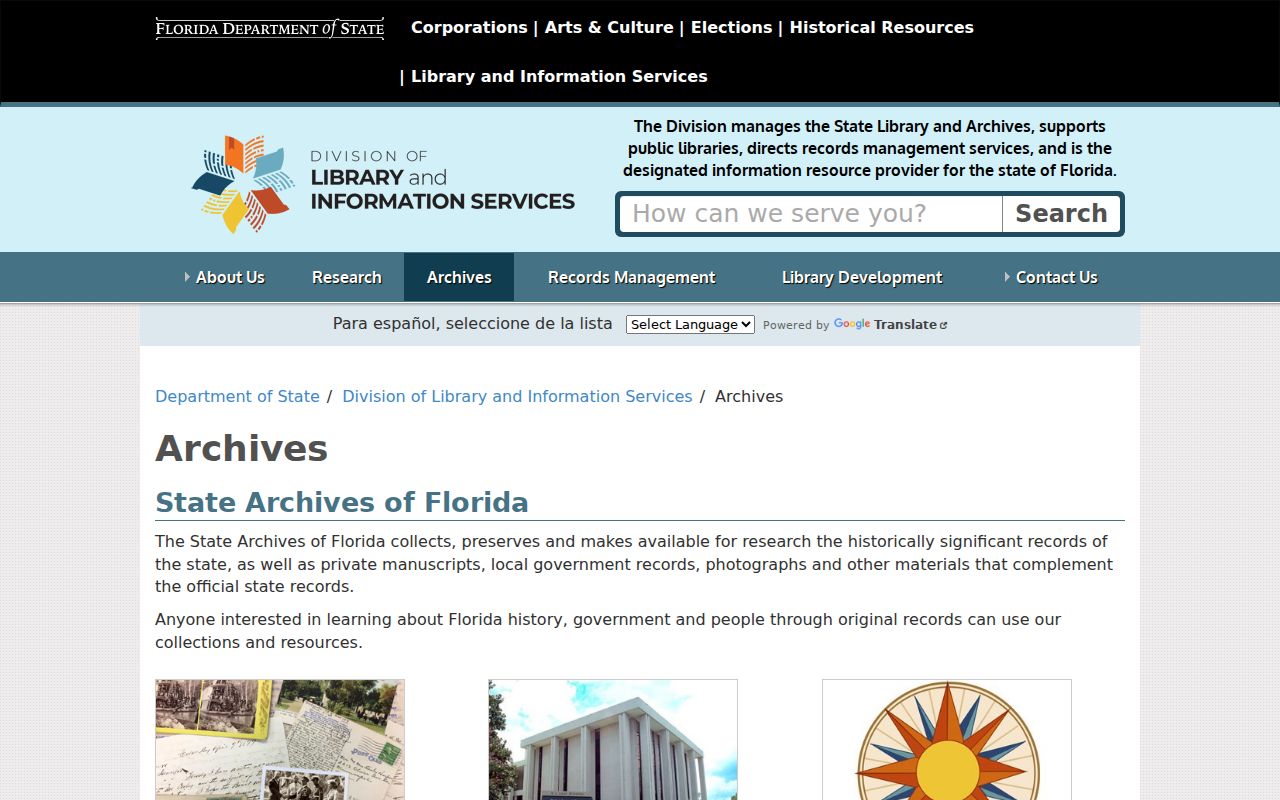
The archives overview points researchers toward catalog and staff routes when a digitized name search is not enough.
The State Archives genealogy page outlines family-history holdings that can supplement Orange County deeds and Orlando directories.
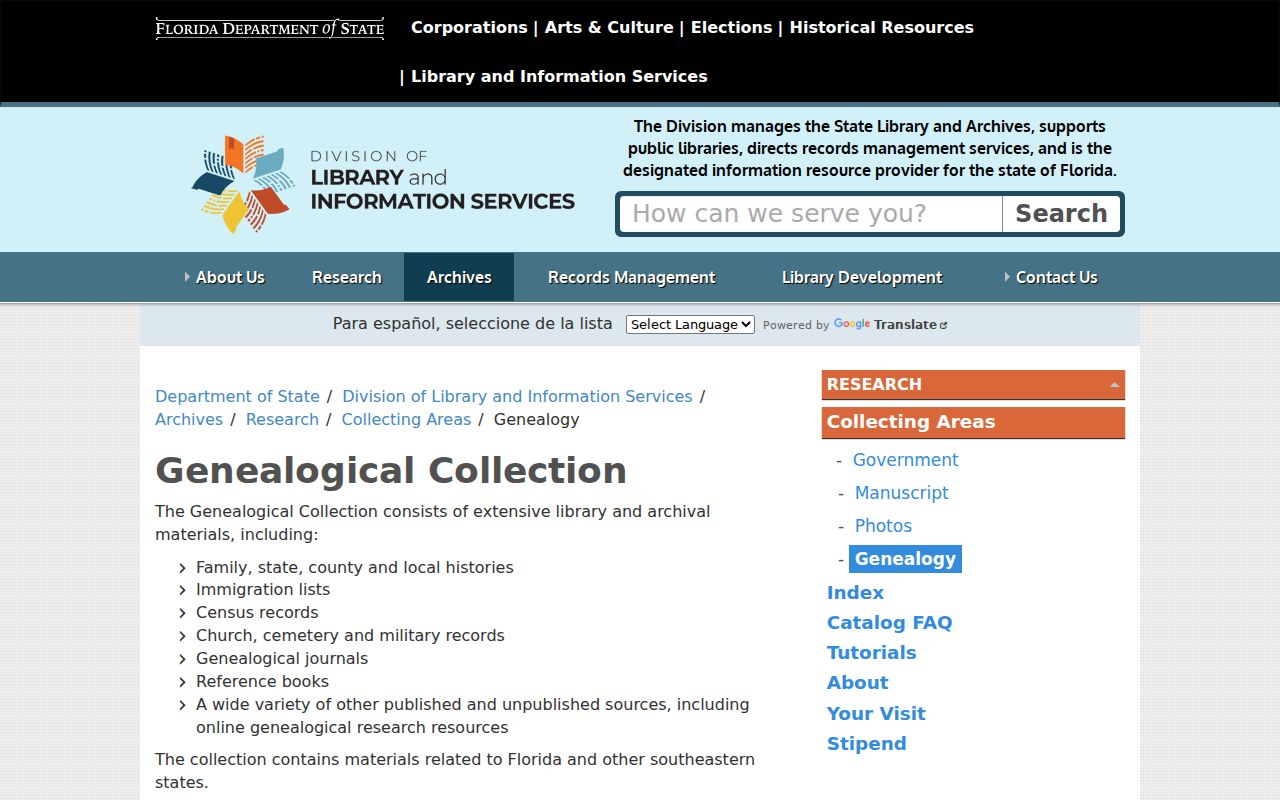
The genealogy view supports a broader records search while the local parcel and legal description keep the address trail grounded.
Close Orlando Resident Trails After Death
An owner’s death can explain why a directory entry ends and why heirs later sign a deed. Search the Orange County Clerk probate docket, then compare a will, inventory, or final case event where public with the next recorded transfer. Obituaries and cemetery sources may name family, but relationship claims should be checked against the record itself.
UCF’s digitized Carey Hand Funeral Home records span 1891 through 1955. Search fields include name, gender, race, death date and cause, parents’ names, and burial place. The collection can solve a disappearance when a death certificate remains restricted. Palm, Greenwood, and cremation records are represented.
Florida Treasure Hunt offers a free unclaimed-property search that may add a dated owner or heir lead.
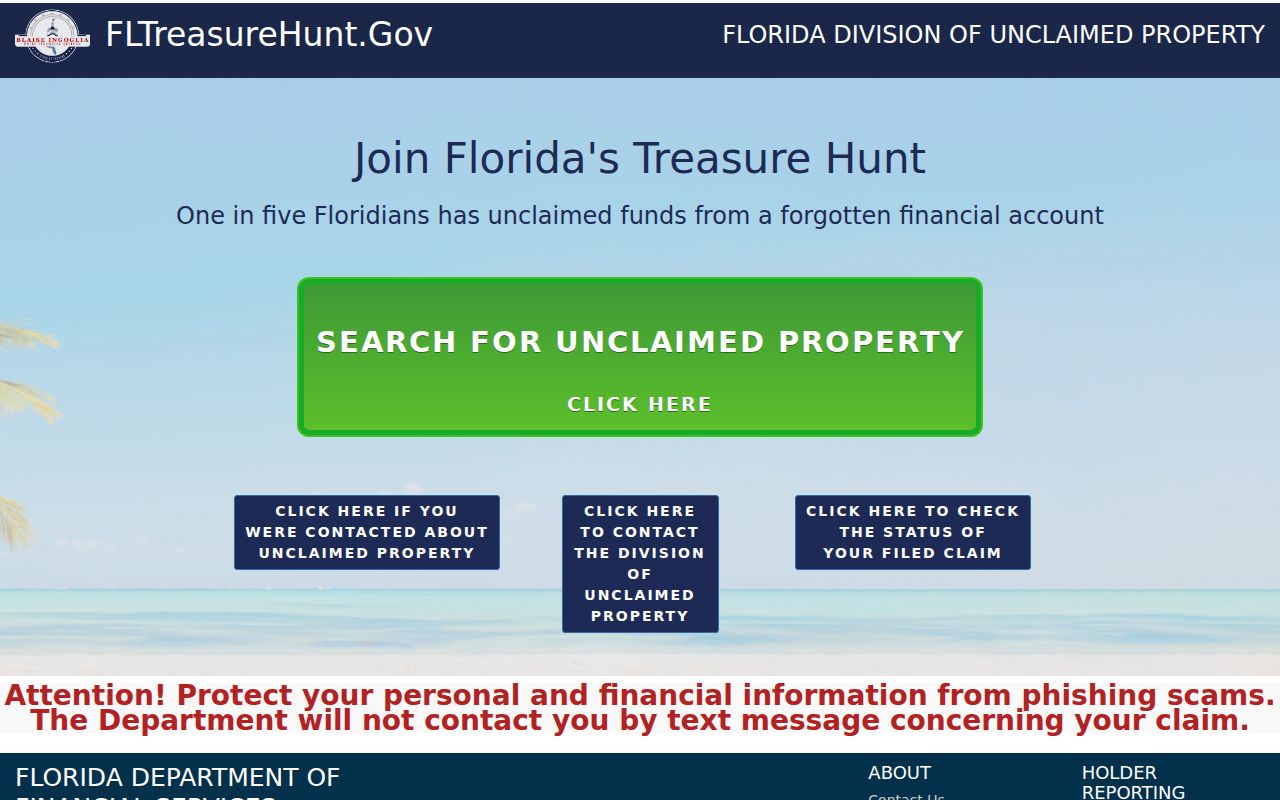
The search can support an heir trail, but it does not prove that a person occupied the Orlando address.
Orlando Past Households Need Two Tracks
Ownership and occupancy are separate tracks. Deeds establish recorded title. Directories and census schedules can identify who lived at the address, including renters, relatives, and roomers. Permits and maps date the structure, while probate and funeral records explain some departures. Previous residents should be reported with the year and source that names them.
Gaps are normal. The History Center’s Orlando directory holdings run from 1891 to 1998 but omit many years, including several early runs and scattered later volumes. A missing entry might reflect a shelf gap, annexation, a changed number, or the publication’s own coverage. Move to the next source instead of treating silence as proof.
Build a compact timeline as the evidence grows. Put the deed transfer dates in one column and the directory or census occupant dates in another. Add permits, map observations, deaths, and probate events on their own dated lines. This makes it clear when an owner and an occupant overlap, when a renter appears between sales, or when construction explains a blank directory year. Keep a citation for every line, including the exact volume, page, instrument, or case number.
For an online dead end, use the full access chain. Ask the Comptroller about older deed books and historic indexes. Contact the Brechner Research Center before visiting for directories, permit ledgers, voter ledgers, newspapers, yearbooks, or maps. OCLS genealogy resources at West Oaks include HeritageQuest and local files, though some databases require a card or in-library use. UCF Central Florida Memory offers digitized directories and person-rich collections. A narrow Florida Public Records Law request can seek a known record type, address, date range, and electronic format from the proper city or county custodian.
Lawful use. Research on Orlando previous residents belongs in house history, genealogy, and heir work. Never use an old or current address to stalk, harass, threaten, or track a living person.